In today’s global and remote workplaces, the same meeting format does not work for everyone. Differences in communication styles, decision-making norms, hierarchy, time orientation, and conflict approaches can quietly break alignment—leading to misunderstandings, slow execution, and low commitment.
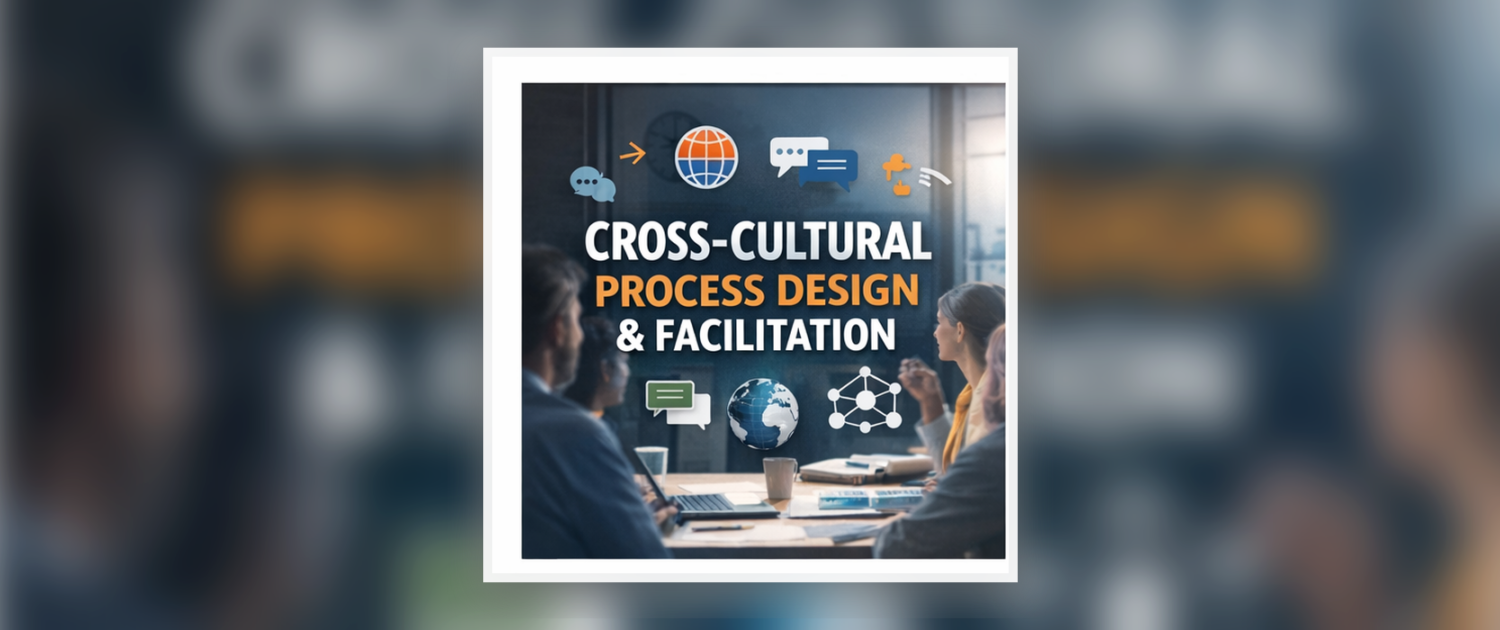
Cross-Cultural Process Design and Facilitation is a practical, business-focused course that equips professionals to design clear, inclusive processes and facilitate meetings, workshops, and decision sessions across diverse cultures. You will learn how to turn cultural complexity into structured collaboration—so teams can communicate effectively, reach decisions faster, and execute with confidence.
Who This Course Is For
-
Leaders managing multicultural or remote teams
-
HR, L&D, and organizational development professionals
-
Project managers and program leads working across regions
-
Consultants, trainers, and facilitators running workshops globally
-
Anyone collaborating with international clients, partners, or stakeholders
What You Will Learn
By the end of this course, you will be able to:
-
Recognize the cultural patterns that shape communication, trust, and teamwork
-
Design processes that reduce confusion, prevent misalignment, and improve follow-through
-
Facilitate cross-cultural meetings with clarity, neutrality, and inclusive participation
-
Handle difficult dynamics such as silence, indirect disagreement, power distance, and “false agreement”
-
Build decision pathways that work across different cultural expectations
-
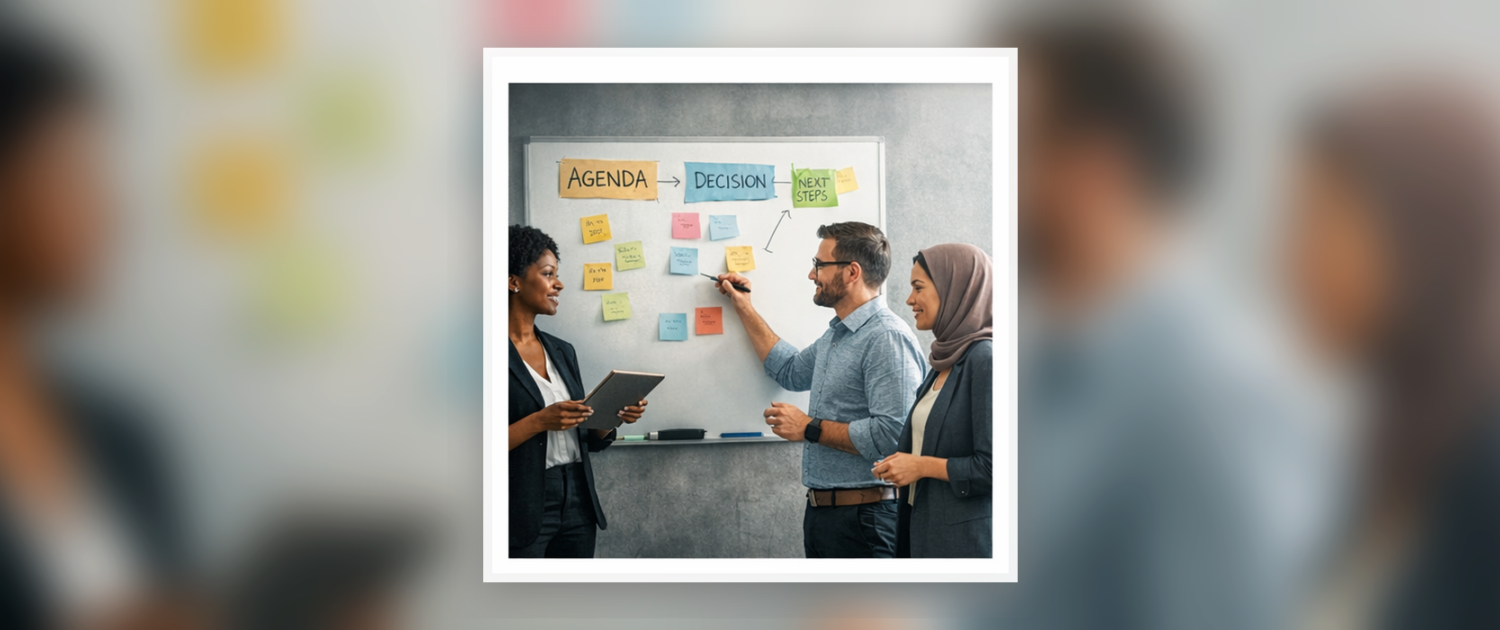
Create structured outcomes: decisions, ownership, accountability, and next steps
Key Benefits
Participants will gain the ability to:
-
Facilitate meetings that produce real outcomes—not just discussion
-
Reduce cross-cultural misunderstandings and wasted time
-
Build stronger trust, engagement, and collaboration across regions
-
Improve decision speed and implementation quality
-
Lead diverse teams with confidence and structure
Course Modules (Content Outline)
1) Culture & Work: What Really Changes Across Cultures
-
Culture as a workplace system: values, norms, expectations
-
Why “one-size-fits-all” facilitation fails in global settings
-
Common cross-cultural friction points in meetings and collaboration
-
Reducing assumptions and avoiding harmful generalizations
2) Communication Styles That Affect Process
-
Direct vs. indirect communication
-
High-context vs. low-context messaging
-
Listening expectations, feedback styles, and interpretation differences
-
Cultural signals: what silence, hesitation, or politeness can mean
3) Designing Clear Processes for Multicultural Teams
-
How to structure meetings vs. workshops vs. decision sessions
-
Turning goals into measurable outcomes and deliverables
-
Roles and responsibility design (ownership, authority, accountability)
-
Creating alignment: scope, rules, timeboxes, and clarity tools
4) Facilitation Across Cultures: Core Skills & Techniques
-
Facilitator mindset: neutrality, clarity, and psychological safety
-
Managing participation fairly across hierarchy and personality differences
-
Bridging misunderstandings without creating tension
-
Facilitator language that works across cultures (structured phrasing and transitions)
5) Decision-Making Across Cultures
-
Consensus vs. authority-led vs. consultative models
-
Preventing stalled decisions and hidden disagreement
-
Creating decision clarity: what was decided, by whom, and what happens next
-
Accountability systems that support execution
6) Conflict-Sensitive Facilitation in Diverse Teams
-
Task conflict vs. relationship conflict across cultures
-
De-escalation and trust repair in multicultural settings
-
Handling face-saving, public disagreement, and reputational sensitivity
-
Maintaining respect while driving progress
7) Virtual & Hybrid Cross-Cultural Facilitation
-
Cross-cultural challenges in remote and hybrid environments
-
Facilitating across time zones, languages, and digital etiquette differences
-
Maintaining engagement, clarity, and momentum online
-
Designing follow-up systems for remote execution
8) Building Sustainable Collaboration Systems
-
Creating repeatable cross-cultural processes for teams and organizations
-
Measuring facilitation effectiveness and improving over time
-
Embedding inclusive communication norms into team culture
-
Long-term habits that strengthen trust and performance
Delivery Format (You Can Customize)
-
Online live workshop or in-person training
-
Modular course format for organizations
-
Optional add-ons: team coaching, leadership facilitation labs, facilitation toolkit